What Are Pag-IBIG Acquired Assets?
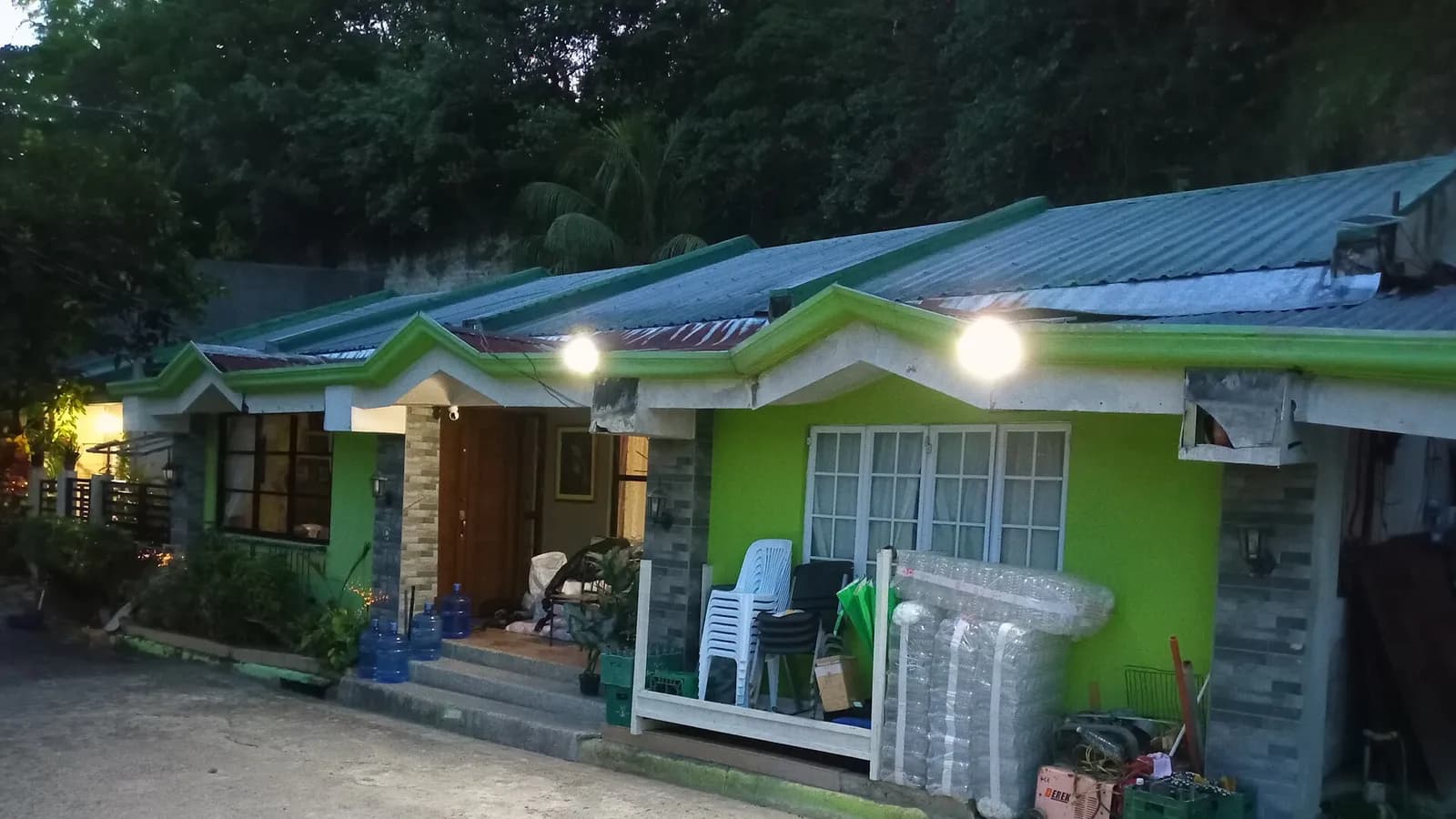
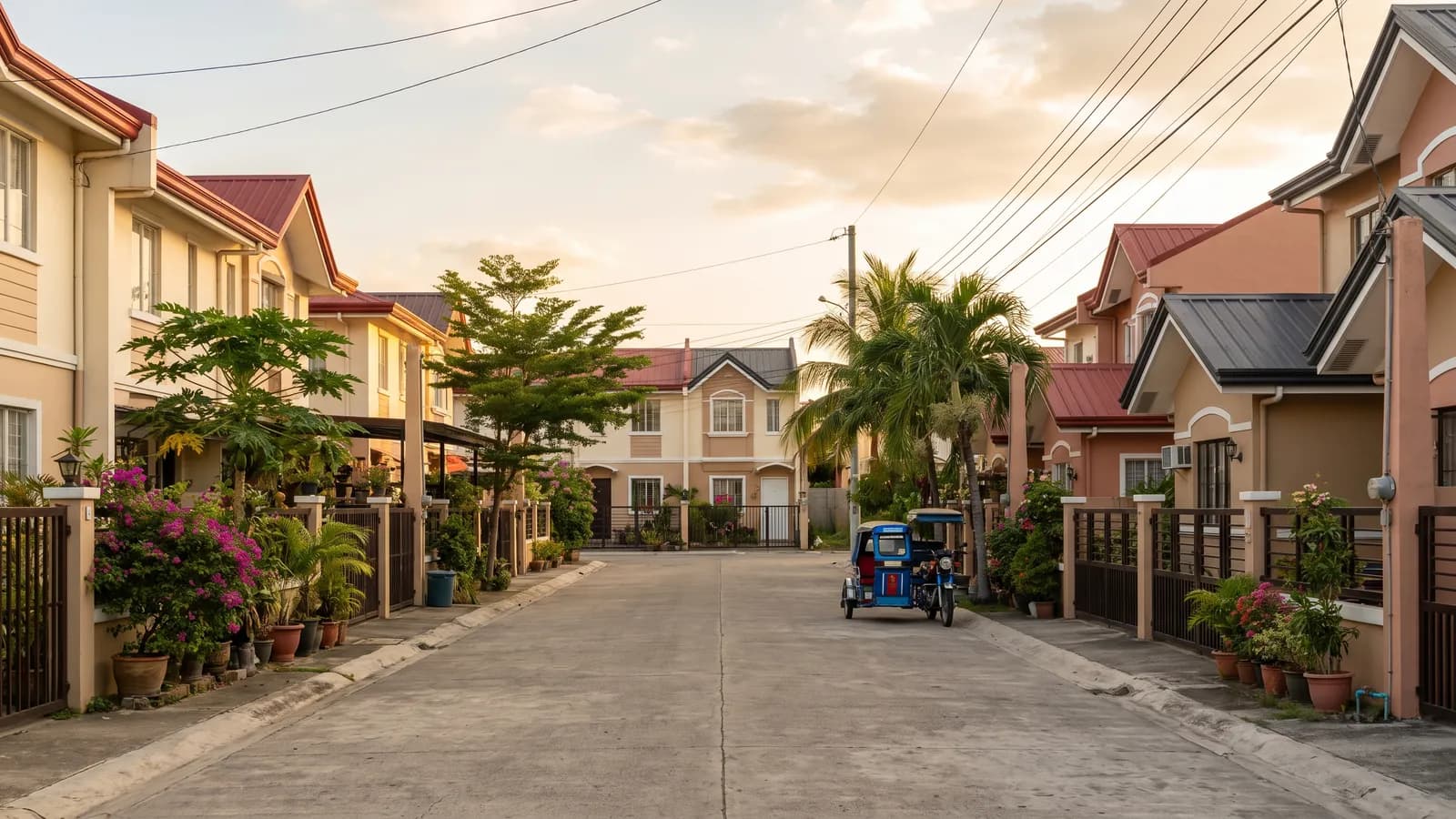
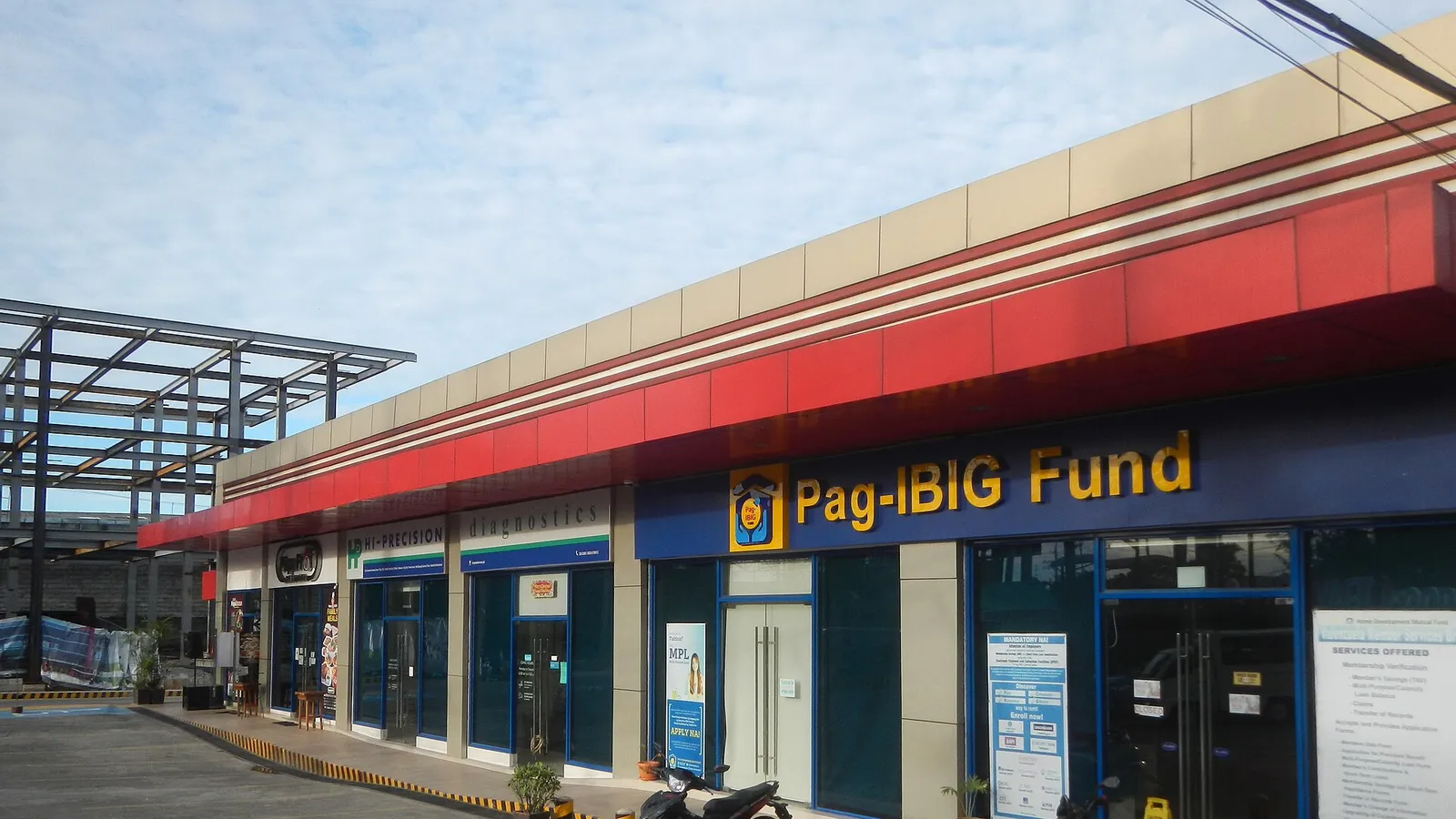
Pag-IBIG acquired assets are properties the Fund took back after borrowers defaulted on their housing loans. Pag-IBIG sells them to the public through an Online Public Auction, which now includes negotiated sale (as of October 2026). In everyday Filipino searches, they are the same as Pag-IBIG foreclosed properties.
Inventory typically includes house-and-lot packages, townhouses, condo units and vacant lots. What is available depends on the region and changes often. The official list on Pag-IBIG's acquired assets page is the source to trust for what is currently open.
Buyers look at these properties because they are often priced below comparable market listings. That is not guaranteed, and the trade-offs are real: occupants, repairs, arrears and a fixed process. This guide focuses on how you decide and what you verify, not on specific listings.
Acquired assets vs foreclosed properties: same thing, different wording
Pag-IBIG itself uses the term "acquired assets". Aggregators, news posts and most buyers say "foreclosed properties". If you search both terms, you are looking at the same pool of properties.
You can browse Pag-IBIG foreclosed properties on Sabahay to see them by area, then check the official page before you act.
Who these properties suit
- Patient first-time buyers who can wait for the right property and handle paperwork.
- Families upgrading who can budget for repairs.
- Small investors who compare the all-in cost against market prices.
- OFWs who have a trusted representative on the ground.
If you need a move-in-ready home on a fixed date, a regular listing or a ready-for-occupancy unit may suit you better.
How the Online Public Auction Works
Pag-IBIG takes bids online, so buyers no longer need to visit branches or use couriers (as of October 2026). Negotiated sale runs through the same channel. Always follow the exact rules and deadlines posted on Pag-IBIG's page, since this article does not state minimum bids, deposits or schedules.
Step-by-step bidding flow
- Browse the posted property list on the official page.
- Shortlist a few properties instead of fixating on one.
- Verify each: occupancy, title, location, condition and arrears.
- Register and submit your bid online following Pag-IBIG's instructions.
- Wait for the results announcement.
- If awarded, pay in cash or apply for financing within the stated deadlines.
Requirements and documents can change, so read the current bidding requirements before you register rather than relying on older blog posts, including this one.
For more depth on each stage, see our full Pag-IBIG foreclosed properties guide.
Why the errata check matters
Pag-IBIG tells buyers to check its acquired assets page five days before bid opening for errata on the posted property list (as of October 2026). Errata can correct details about a listing, so a bid based on the old list may be wrong.
Set a calendar reminder for that date. It takes a few minutes and can prevent an expensive mistake.
A word on numbers: one third-party tracker counted 5,162 listings in its October 2026 Super Sale Part 2 update, as reported on that aggregator's page. This is not an official Pag-IBIG count, and available inventory shifts constantly.
Negotiated Sale vs Public Auction: Which Route Fits You?
In a public auction, you compete with other bidders online. A negotiated sale is a separate window, often for properties that remain unsold, where you make an offer within a short period. Both run through the same online channel (as of October 2026).
Discount levels differ by listing type. Third-party pages advertise discounts for second-auction and negotiated listings, but treat those as claims to verify. Confirm the actual terms on the listing and with Pag-IBIG.
Key differences at a glance
| Feature | Online public auction | Negotiated sale |
|---|---|---|
| How you buy | Competitive online bid | Offer within a short window |
| Channel | Online | Online |
| Timing | Set bid opening dates | Listed window (sample: Nov. 2-6, 2026) |
| Competition | Other bidders compete | Confirm on Pag-IBIG page |
| Check first | Errata five days before bid opening | Occupancy and window dates |
| Price and deposit | Confirm on Pag-IBIG page | Confirm on Pag-IBIG page |
| Best for | Buyers who can research early and bid with a firm ceiling | Buyers who are ready to move quickly |
Reading a listing's status and dates
One sample listing, Lot 6 Blk. 68 at Pasinaya Homes, West Sabang, Naic, Cavite, was on negotiated sale from Nov. 2 to Nov. 6, 2026, and was marked occupied. That is a five-day window on an occupied property.
The lesson: windows are short, so do your due diligence before the window opens. Third-party examples such as the negotiated sale listings page show how these are presented, but confirm everything on the official page.
Due Diligence Before You Bid
Acquired assets are generally sold as-is, so your checks protect you. Do them before bid opening, not after you are awarded the property.
Occupied vs vacant properties
Some listings are occupied. That can mean eviction proceedings or turnover delays, plus extra cost and time you cannot control. Check the occupancy status first, and ask Pag-IBIG what applies to that specific property and who handles possession.
Do not assume immediate possession. If you need to move in soon or rent the unit out quickly, a vacant property is the safer choice.
Title, taxes and arrears checklist
- Occupancy status on the listing: occupied or vacant.
- Copy of the TCT or CCT, checked with the Land Registration Authority for liens or annotations.
- Match between the actual lot or unit and the listing description, including block, lot and unit numbers.
- Unpaid association dues, utility arrears and real property tax, and who pays what.
- Physical condition: roof, plumbing, wiring, termite damage, flooding history.
- Errata on the posted list, five days before bid opening.
- Access, neighbours and nearby amenities, which you only learn by visiting.
Visit in person or send a trusted representative with photos and video. If you are abroad, the remote buying service for OFWs can help you verify a property without flying home.
Financing and Total Cost: What to Confirm
Your bid price is not your total cost. Rates, limits and eligibility for financing change, so confirm current terms with Pag-IBIG before bidding. They were not verified for this article.
Cash vs financed purchase
You can pay in cash or ask about financing. A financed purchase depends on your eligibility and the property, so ask Pag-IBIG whether the specific asset qualifies and how long approval takes. For general rules, read our Pag-IBIG housing loan requirements and limits and the official housing loan page.
Budget cushion for repairs and transfer
| Cost item | Who to ask | When it applies |
|---|---|---|
| Bid or purchase price | Pag-IBIG | If awarded |
| Documentary stamp tax and other taxes | Pag-IBIG, BIR | At transfer |
| Transfer and registration fees | Pag-IBIG, Registry of Deeds | At title transfer |
| Taxes and dues in arrears | Pag-IBIG, LGU, association | Depends on contract terms |
| Repairs | Contractor or inspector | After turnover |
| Moving costs | Mover | After possession |
Example: if your bid is PHP 2 million, you might set aside an extra cushion for repairs, transfer and arrears before deciding that is your ceiling. Whether that cushion is 5 percent or 20 percent depends on the property's condition, so get a contractor's estimate.
Test your monthly payments with our home loan calculator using the rate Pag-IBIG quotes you.
Common Pitfalls and How to Avoid Them
- Skipping the errata check or using an outdated list.
- Ignoring occupancy and assuming immediate possession.
- Trusting aggregator figures without checking Pag-IBIG's own page.
- Underestimating repairs and arrears.
- Missing short deadlines, especially in negotiated sale windows.
Red flags in listings and messages
Be cautious of anyone who asks you to pay a "reservation" to a personal account, promises a guaranteed win or insider access, or pressures you to act before checking the official page. Pay only through official Pag-IBIG channels and verify who you are dealing with.
What protection do you actually have?
In developer sales of pre-selling or ready-for-occupancy units, buyers are protected by the Maceda Law (RA 6552) and PD 957. Acquired assets follow Pag-IBIG's own terms, so you cannot assume the same protections. Read the contract carefully, and consider asking a lawyer to review it.

Where to Find Listings and Next Steps
Start with the official Pag-IBIG acquired assets page for the authoritative list. Then use Pag-IBIG foreclosed properties on Sabahay to browse by area, including Cavite, Laguna, Pampanga and Metro Manila.
Compare any candidate with regular market listings to judge whether it is truly a good deal. You can also see current Pag-IBIG foreclosed properties for sale for recent picks.
A simple 7-day action plan
- Day 1: Read the current bidding rules on Pag-IBIG's page.
- Day 2: Shortlist three properties and note the bid or window dates.
- Day 3: Check occupancy and request title details.
- Day 4: Visit the sites or send a representative.
- Day 5: Check for errata and compare with market listings.
- Day 6: Set your ceiling, including a repair and transfer cushion.
- Day 7: Prepare documents and submit your bid before the deadline.
Conclusion: Buy Smart, Not Just Cheap
Pag-IBIG acquired assets are sold online through public auction and negotiated sale. The best results come from verifying occupancy and title, checking errata, and confirming every cost before you bid.
Ready to start? Browse Pag-IBIG foreclosed properties on Sabahay and compare them against regular listings. Confirm all current rules and figures with Pag-IBIG before you bid.
Frequently Asked Questions
What are Pag-IBIG acquired assets?
They are properties Pag-IBIG took back after borrowers defaulted on housing loans. Pag-IBIG sells them to the public through an Online Public Auction that now includes negotiated sale (as of October 2026). They are the same as what most people call Pag-IBIG foreclosed properties, and include houses, lots, townhouses and condo units.
How do I buy a Pag-IBIG acquired asset online?
Browse the official list, shortlist properties, verify occupancy and title, then register and submit your bid online following Pag-IBIG's current rules. Check the page five days before bid opening for errata. If awarded, pay in cash or ask about financing within the stated deadlines.
What is the difference between Pag-IBIG public auction and negotiated sale?
Public auction means competing online bids during set bid openings. Negotiated sale is a separate, short window for offers, such as a sample listing open from Nov. 2 to Nov. 6, 2026. Both run through the same online channel. Confirm prices, discounts and deposits on the listing and with Pag-IBIG.
Can I use a Pag-IBIG housing loan to buy an acquired asset?
Buyers can pay cash or ask Pag-IBIG about financing, but eligibility, rates and limits change and were not verified for this article. Ask Pag-IBIG whether your chosen property qualifies and what the current terms are before you bid, and check the official housing loan page.
Are Pag-IBIG acquired assets occupied, and who evicts the occupants?
Some listings are marked occupied, and the sample Naic, Cavite listing was one of them. Occupied properties can mean delays and extra cost. Who handles possession depends on the listing and Pag-IBIG's terms, so ask Pag-IBIG in writing before bidding and read the contract.
Where can I see the latest list of Pag-IBIG acquired assets?
The official source is Pag-IBIG's acquired assets page, which also posts bidding rules and errata notices. Sabahay's Pag-IBIG foreclosed properties page helps you browse by area, but always confirm availability and dates on the official page. Third-party counts are not official Pag-IBIG figures.
Can an OFW bid on a Pag-IBIG foreclosed property?
Bidding is online, so buyers abroad no longer depend on branch visits or couriers (as of October 2026). Confirm current eligibility and documents with Pag-IBIG. Since you cannot inspect the property yourself, use a trusted representative or Sabahay's remote buying service to verify title and occupancy.